

How do you minimize the impacts of aging in your batteries and systems?

We show you how it is done by
underĀ­standing cell Aging

Challenge

Avoiding battery aging and ensuring the lifetime is a major task during battery cell and system development. Mastering battery aging is complex: You must account for nonlinĀ­early coupled cell reactions in the timescale of millisecĀ­onds to aging mechaĀ­nisms that take months. Thus, battery aging testing becomes lengthy. This is a major challenge, especially when technology evolves fast – like in the battery business. 

Battery Aging

Aging_Types_scheme4
How much energy can the battery deliver in total?
How much energy can the battery deliver instanĀ­taĀ­neously?
This is true for many aspects of battery aging and battery lifetime. Let’s make some examples: 
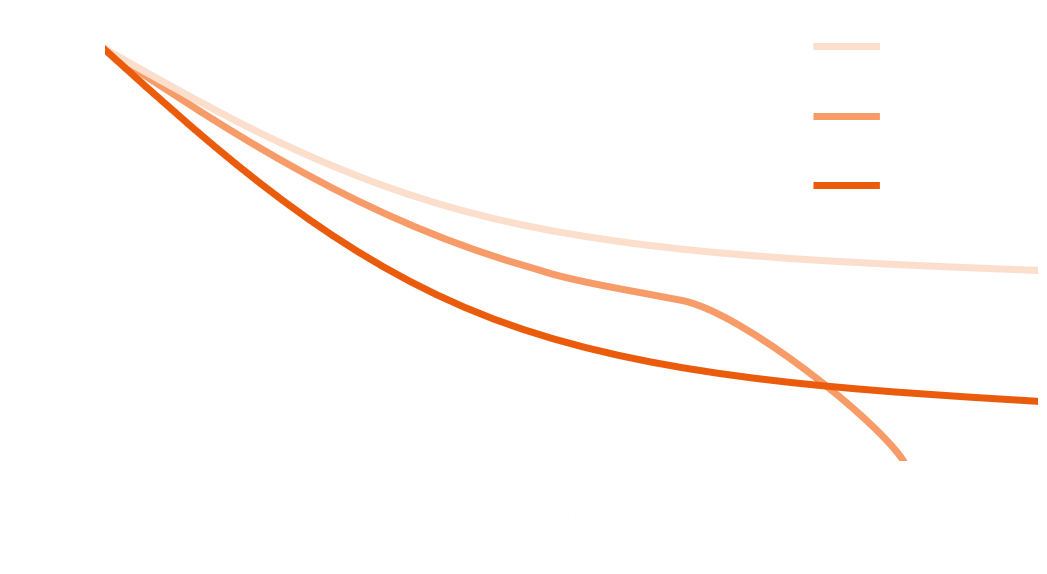
Answering these questions reliably in the availĀ­able development time is very hard. State-of-the-art battery aging simulaĀ­tion methods are based on correĀ­laĀ­tion: In these methods, aging is predicted by correĀ­lating the battery state-of-health (SOH) with measureĀ­ment data via data fitting or AI training.
But: Be careful, this only works accurately where data was fitted. 

A Battery is more than a capacity and a pulse resistance.

CorrelĀ­aĀ­tive approaches are risky because the fundaĀ­mental princiĀ­ples are not covered correctly!

This is especially true for the extrapĀ­oĀ­laĀ­tion range, which is exactly the one you need.

Solution - Battery Aging Model

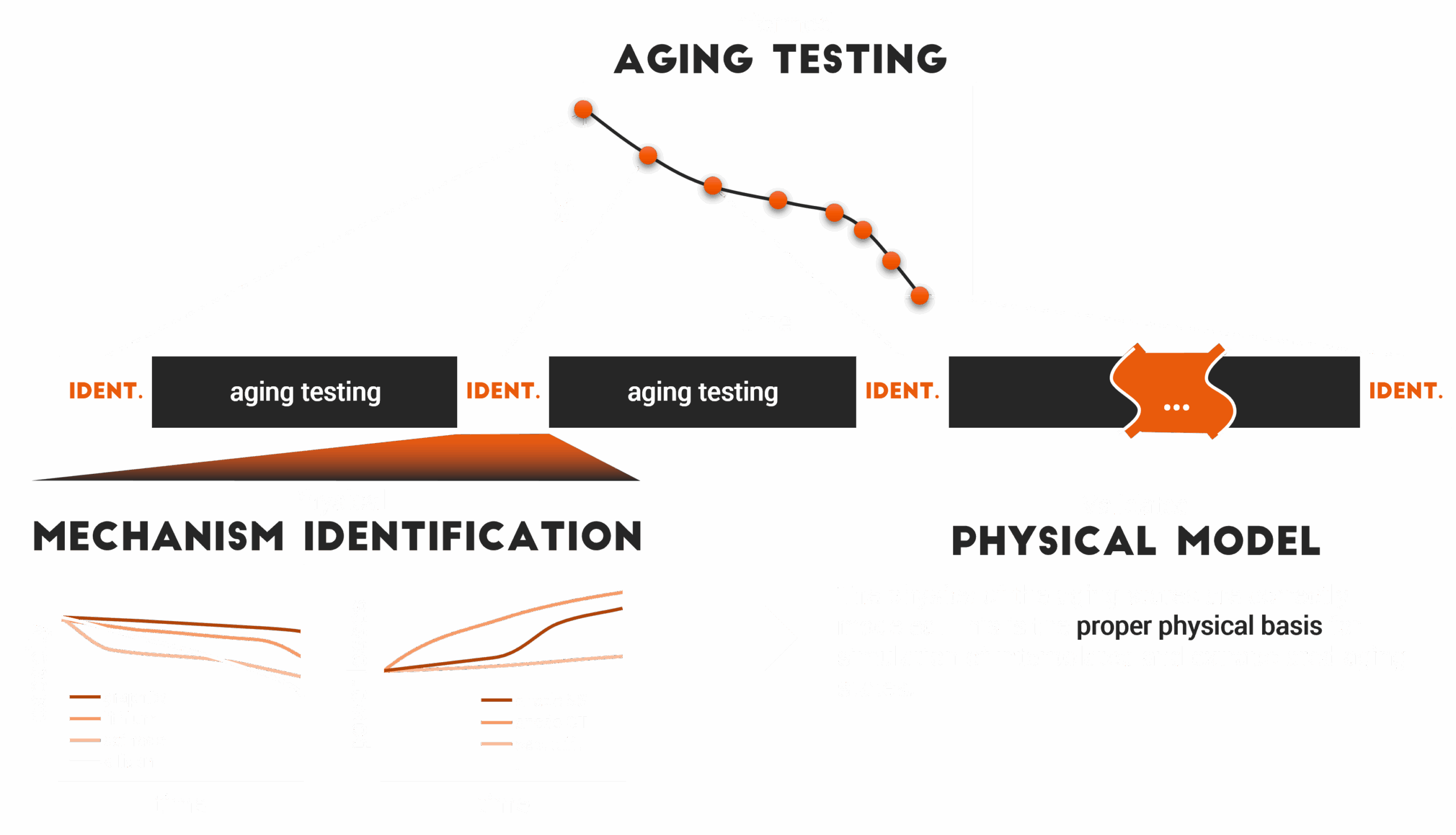
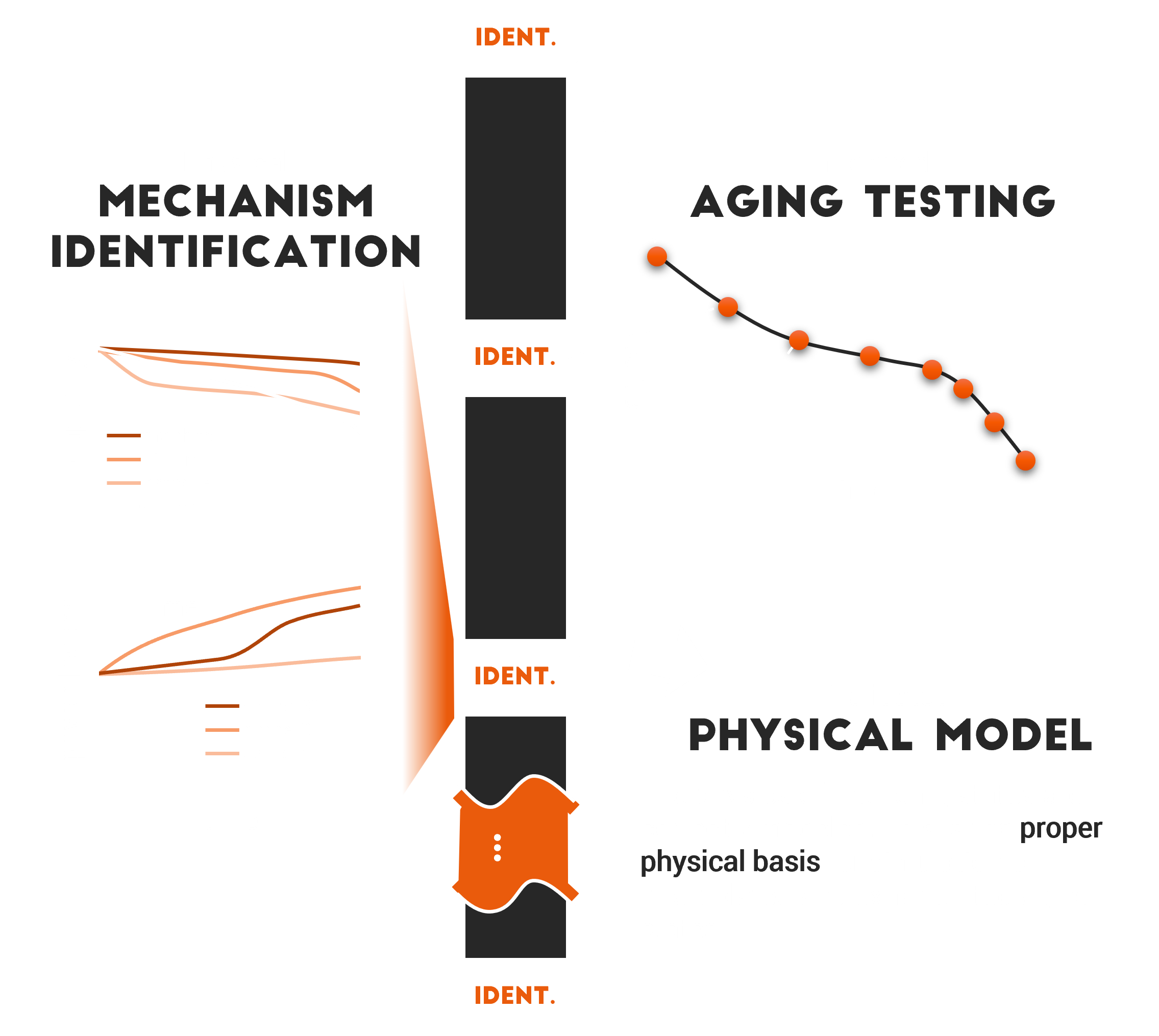
You need a tool and workflow to master battery aging. Batemo combines a unique battery modeling technology with an efficient methodĀ­ology to physiĀ­cally identify, simulate, and predict battery aging. This combiĀ­naĀ­tion leads to success by making electroĀ­chemĀ­ical aging states accesĀ­sible at all stages of your product development process. We use optimized routines to identify the aging mechaĀ­nisms non-invasively along different trajecĀ­toĀ­ries of aging tests. Because we integrate the aging identiĀ­fiĀ­caĀ­tion into the batemo cell model, you can simulate the full behavior of aged cells under all tested scenarios and beyond. This is what makes aging predicĀ­tion possible – physics-based. 
batemo_Folienmaster_Icono_naranja_02

Fast

Running aging tests takes months if not years. Get generic evoluĀ­tions to simulate cell aging right away. The data integrates into the Batemo Cell Models and give you the best guess about the aging behavior of your cell before tests are avilable.
batemo_Folienmaster_Icono_naranja_29

Physical

Getting battery aging right requires all all relevant electrical, chemical, thermal and physical processes inside the cell to be precisely described. This is what the Batemo Cell Model does – for the fresh and aged battery.
batemo_Folienmaster_Icono_naranja_09

Accurate

The Batemo Cell Model is the most accurate battery cell model – guaranĀ­teed! We always demonĀ­strate the validity both for fresh and aged battery cells to quantify accuracy. 
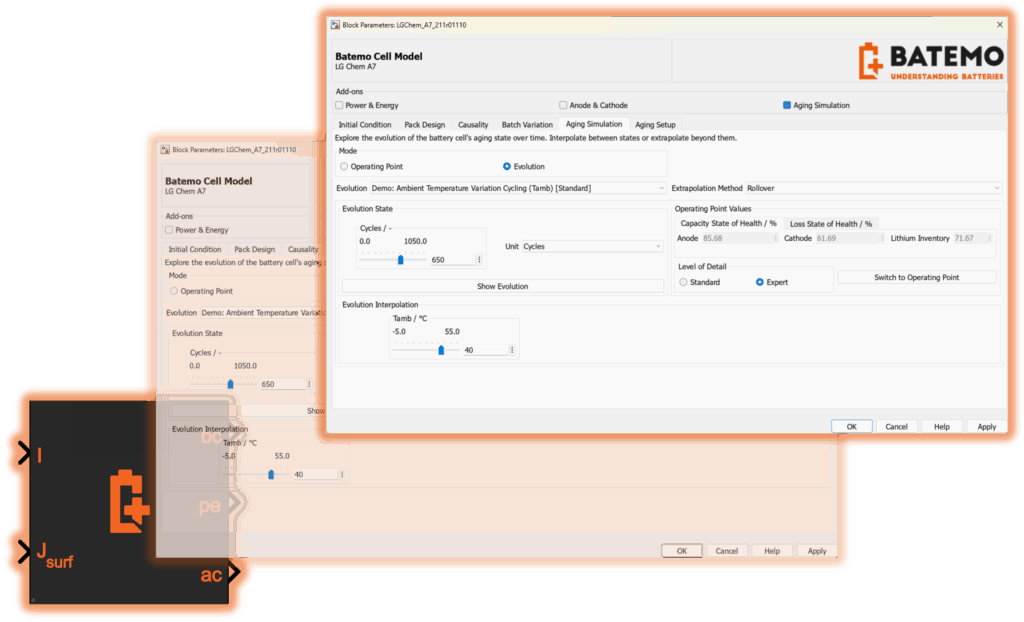
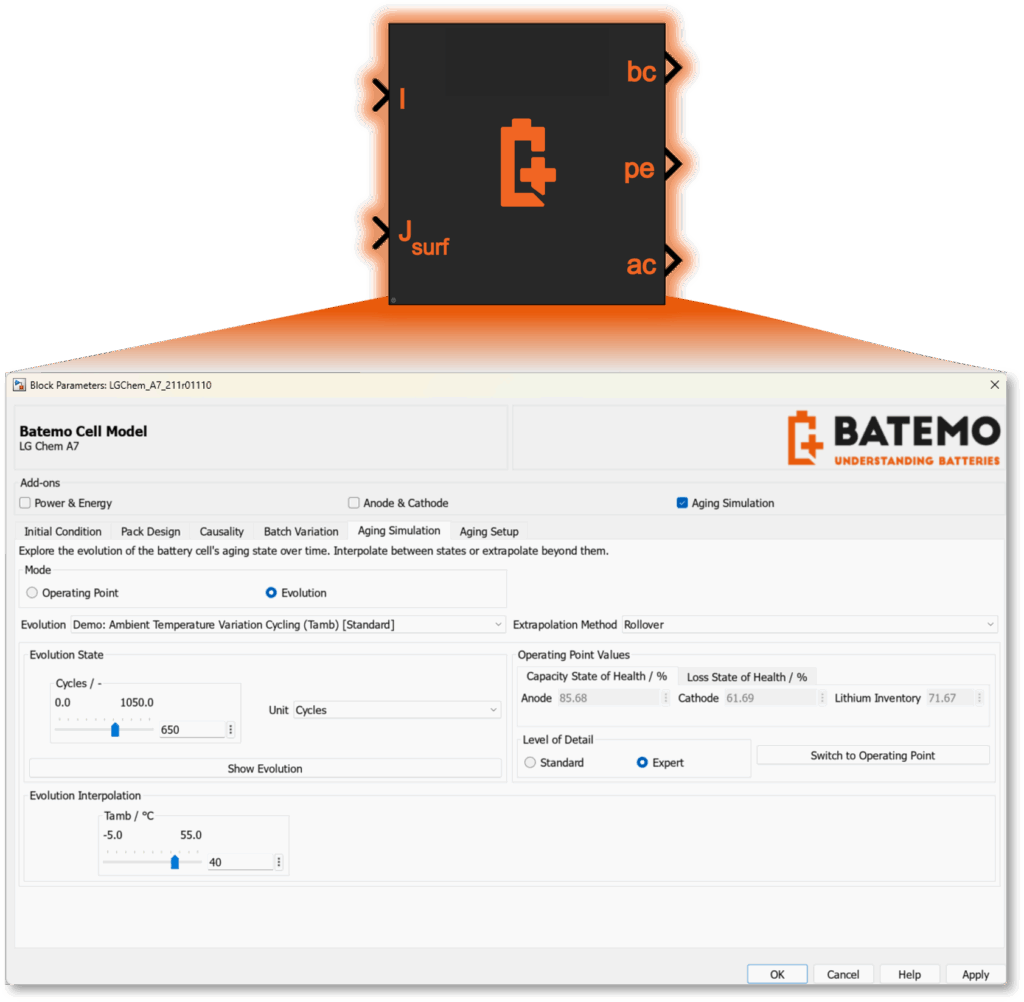
This is great but let’s get specific: Below, you see the graphĀ­ical user interĀ­face of the batemo cell model. With one click, you can put the physical, validated model in an arbitrary aging state. This means that all inforĀ­maĀ­tion from a test matrix with 3- to 4-digit GBs is availĀ­able in seconds, exactly for the test that is of interest. How does the cell perform after 650 cycles and 40°C in my system? By aggreĀ­gating the necesĀ­sary inforĀ­maĀ­tion, you can answer this question immediately. 

development method

Mastering battery aging requires simulaĀ­tions and tests to go hand-in-hand. A digital development workflow needs to be backed up by tests, anything else is dubious. With Batemo, however, you test specifĀ­iĀ­cally and the system is secured by predicting interĀ­meĀ­diate states. This is done several times throughout the development. In this way, you ensure that nothing happens in the field afterĀ­wards. In the essence, what you do is always using all inforĀ­maĀ­tion you have about battery aging, which is the path to success.

  • 1st

    BenchĀ­marking

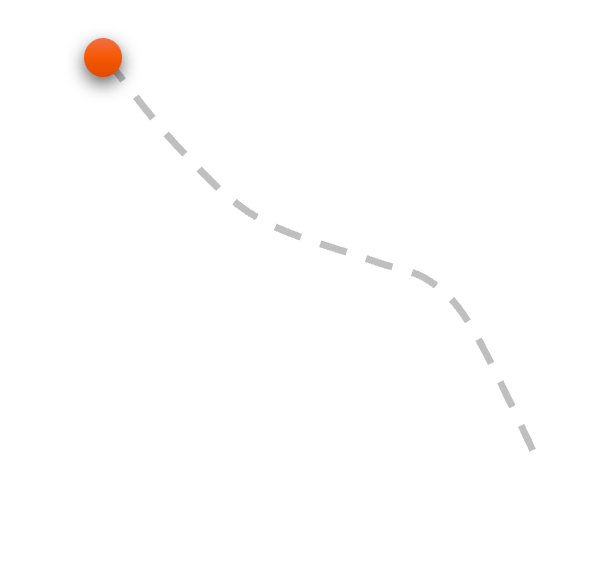
    Start now! With a physics-based transĀ­laĀ­tion of the degaraĀ­daĀ­tion modes of Batemo’s extenĀ­sive aging database, we derive Generic EvoluĀ­tions of your cell. In this way, you get the best educated guess about the aging behavior of your cell and you can start designing your system now.
  • 2nd

    QualiĀ­fiĀ­caĀ­tion

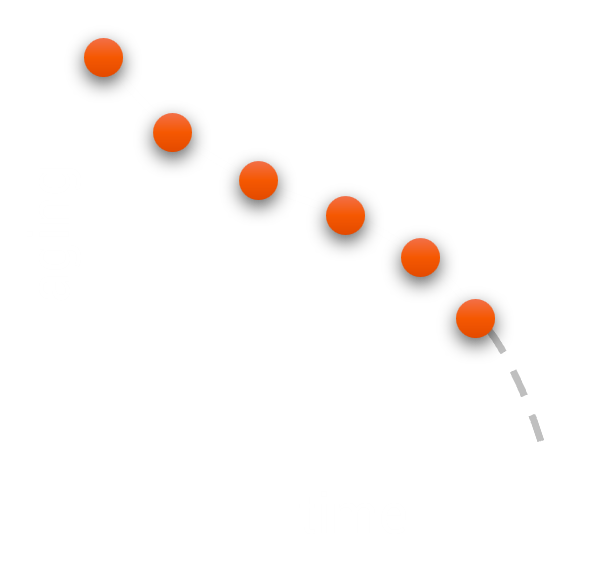
    Test specifĀ­iĀ­cally! The predicĀ­tions must be validated by tests, anything else is unreliĀ­able. Enhance the aging predicĀ­tion continĀ­uĀ­ously by your own qualiĀ­fiĀ­caĀ­tion tests. 

  • 3rd

    Development

    Be sure! Use the inforĀ­maĀ­tion from the qualiĀ­fiĀ­caĀ­tion tests and the aging predicĀ­tions for system development enabling smarter design, longer lifespan, and more efficient battery management.
  • ValidaĀ­tion

    Check & Learn! Compare validaĀ­tion results with models and underĀ­stand deviaĀ­tions. Reveal the root causes of battery degraĀ­daĀ­tion and underĀ­stand how your cells aged and why.

AdvanĀ­tages

Using the batemo cell model combined with physical aging identiĀ­fiĀ­caĀ­tion makes your cell and battery development simulaĀ­tion-based, making it faster, lower cost while leading to better batteries. This is how we generate value and contribute to your success.

batemo_Folienmaster_Icon_orange_02.png

Faster

With Batemo, you generate maximum inforĀ­maĀ­tion with minimum aging testing. This speeds up development and reduces the time-to-market of your battery. Just think of the lost revenue caused by a one-month delay in your approval cycle and multiply it by a factor of 6-12.
batemo_Folienmaster_Icon_orange_06

Better

Using the Batemo Cell Models you design batteries that are less prone to aging. Your battery system is backed by physical aging simulaĀ­tions making it robust against the relevant aging scenarios. You signifĀ­iĀ­cantly increase the value of your product by extending its lifetime.
batemo_Folienmaster_Icon_orange_34

Lower Cost

With Batemo, you fully utilize your batteries without damaging them. This is how you reduce oversizing, unplanned cell failure and mainteĀ­nance. In this way, you can save 6- to 7-digit amounts annually with moderate initial investment. 

InterĀ­ested?

Let’s take the first step!