























Do you Want to Study
the 3d behavior of your battery cell? 

Let’s have a look! 

DescripĀ­tion

The Batemo Cube Model is a versaĀ­tile tool for simulating local distriĀ­bĀ­uĀ­tions of internal quantiĀ­ties within a battery cell. Based on Batemo’s unique modeling technology, the batemo cell model, it allows for custom multi-dimenĀ­sional discretizaĀ­tion of the cell interior resulting in highly precise and spatially resolved results. This enables you to identify and predict local effects and to quantiĀ­fying critical inhomoĀ­geneities within the cell.

batemo_Folienmaster_Icon_orange_02

Fast

Multi-dimenĀ­sional simulaĀ­tions are compuĀ­taĀ­tionĀ­ally expenĀ­sive and time consuming. Batemo Cube Models are optimized to run within seconds or minutes, depending on the discretizaĀ­tion level. 
batemo_Folienmaster_Icon_orange_29

Physical

A spatial resoluĀ­tion of internal quantity distriĀ­bĀ­uĀ­tions requires to precisely describe all relevant electrical, chemical, thermal and physical processes inside the cell. Based on Batemo’s unique modeling technique, the Batemo Cube Model ensures physical correctĀ­ness even under extreme conditions. 
batemo_Folienmaster_Icon_orange_09

Accurate

The Batemo Cube Model is derived from the Batemo Cell Model, the most accurate battery cell model there is – guaranĀ­teed! We always demonĀ­strate the validity through extenĀ­sive measureĀ­ments that prove highest accuracy.

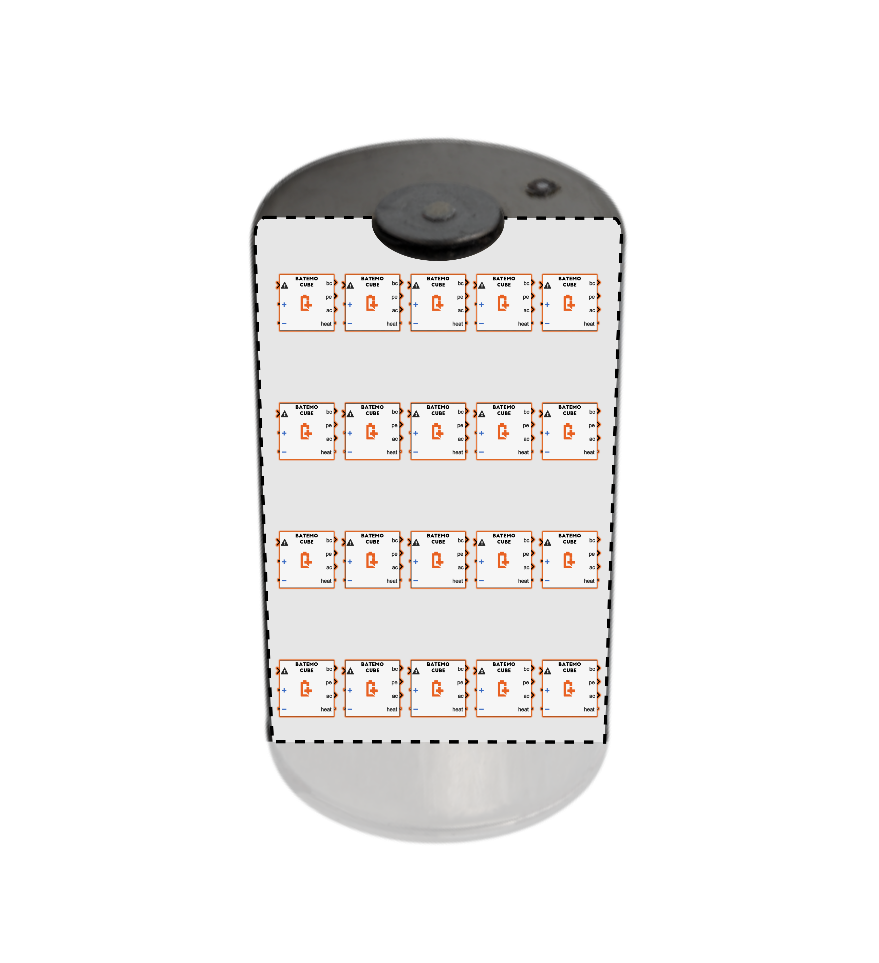
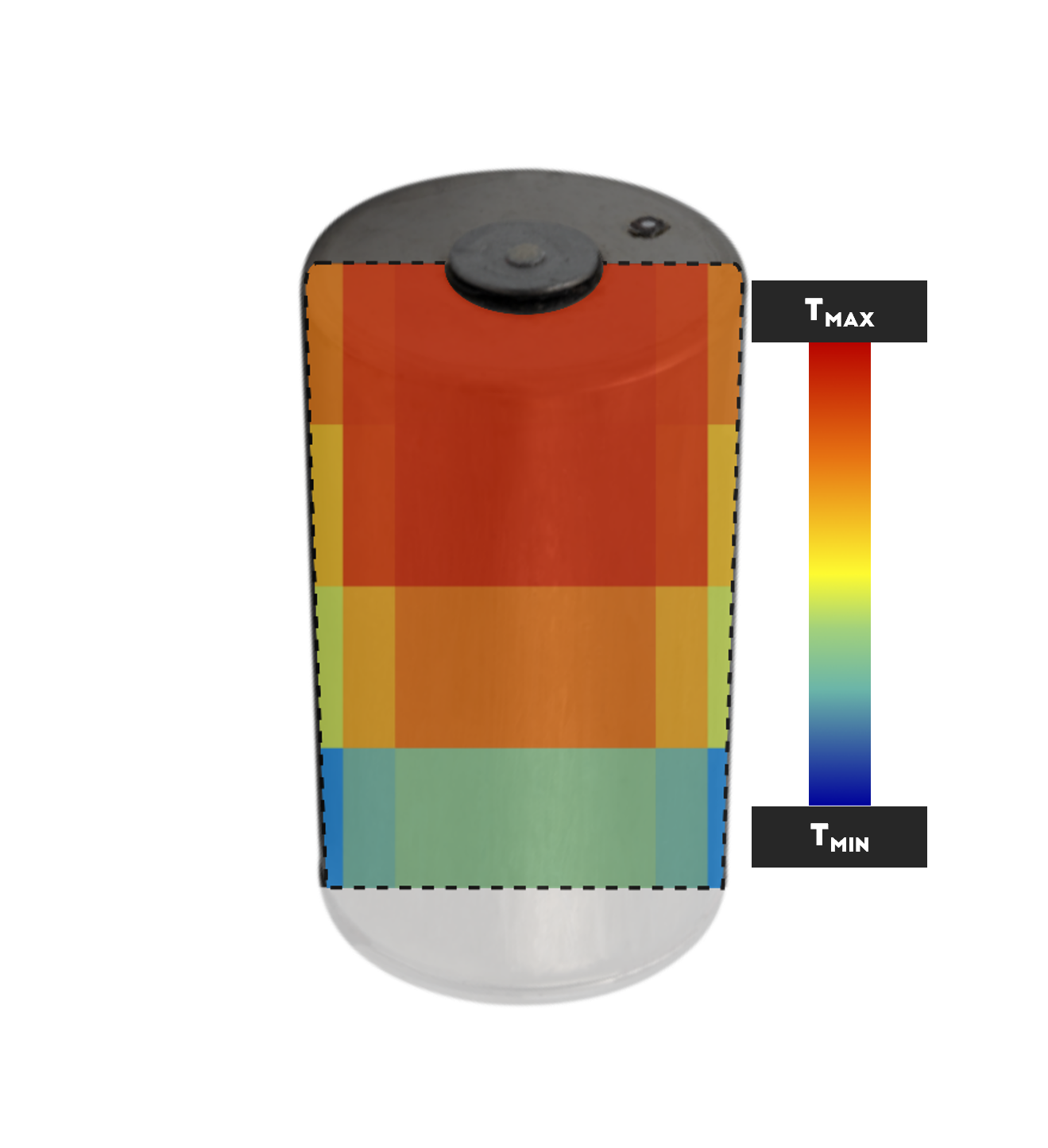
Each Batemo Cube Model is an electroĀ­chemĀ­ical model of the cells active volume repreĀ­senting a fraction of the jellyĀ­roll. The heat and current transfer between single Batemo Cube Models, the cell exterior and passive compoĀ­nents (cell housing or poles) needs to be modeled exterĀ­nally. ThereĀ­fore, setting up a model of a real cell using Batemo Cube Models requires some experĀ­tise. The great benefit of the extra effort: you gain inforĀ­maĀ­tion about local distriĀ­bĀ­uĀ­tions of all internal cell quantiĀ­ties. This helps you to underĀ­stand, Identify and predict local hot spots for aging and safety issues and develop design improveĀ­ments or optimized cooling concepts for the cell. On top, you can trigger local shorts manually or adapt the external model to see how your active material would perform in a different housing type.

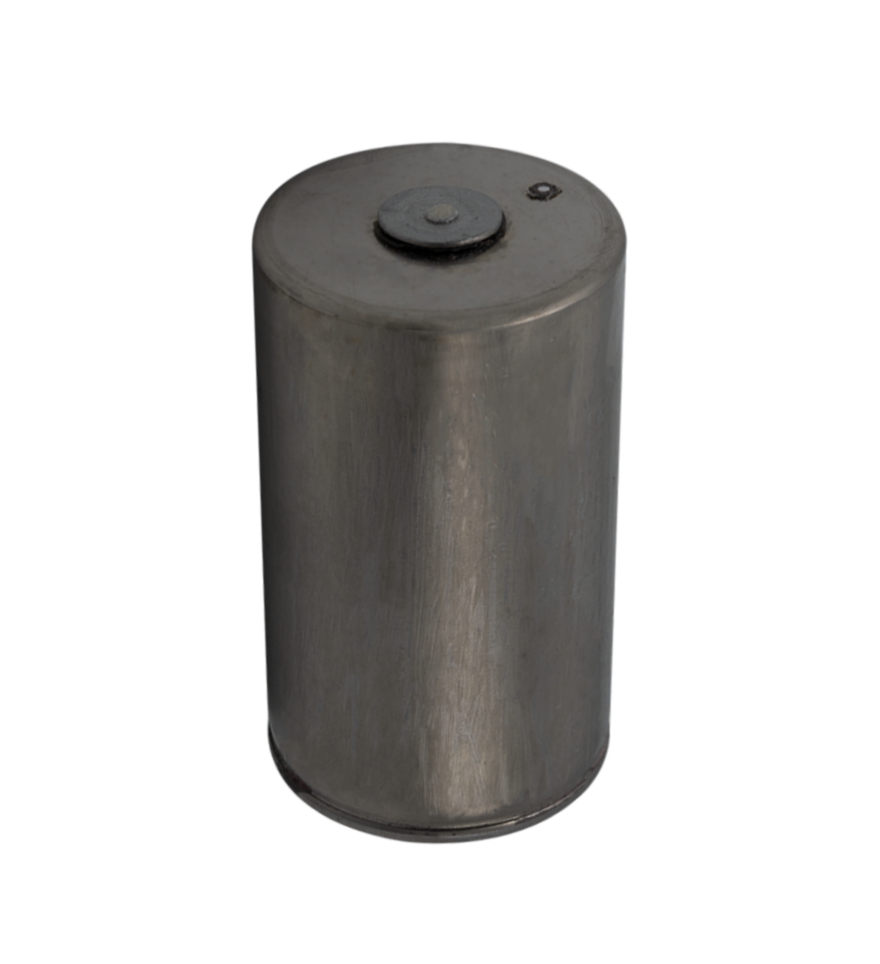
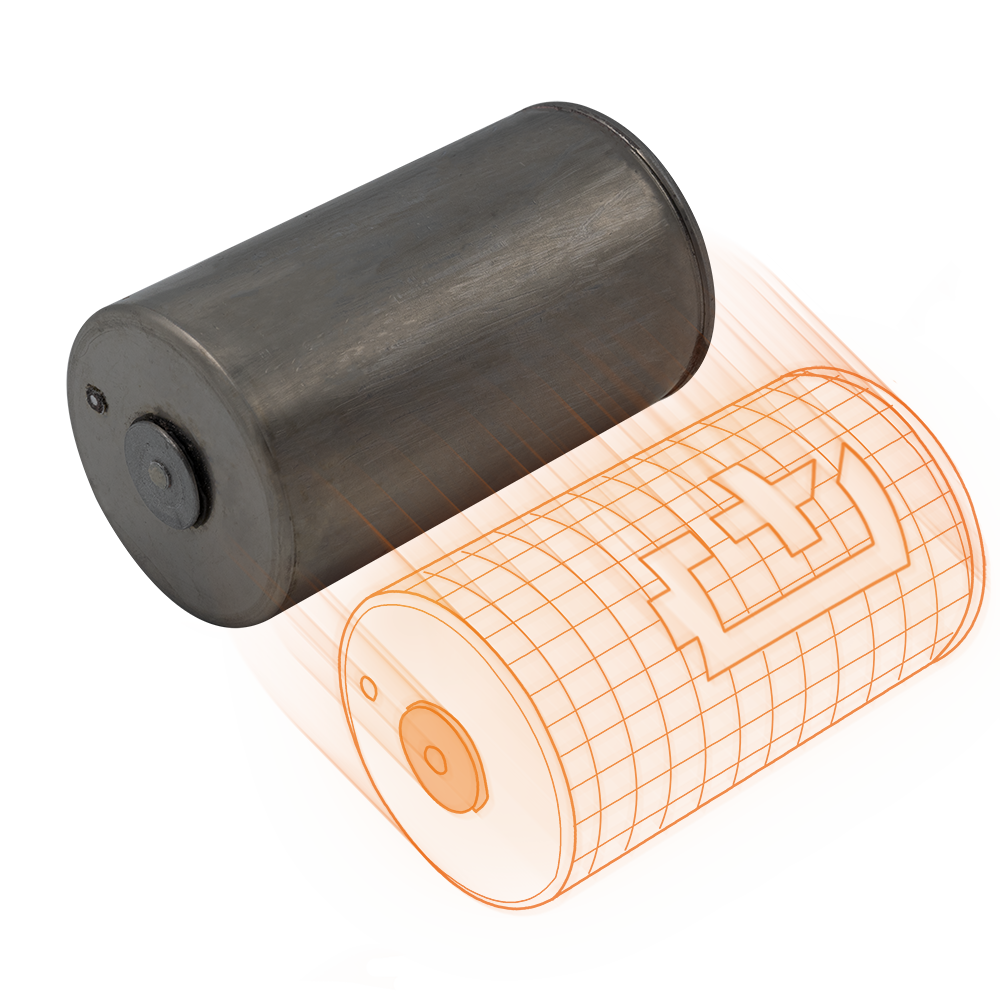
Real
battery Cell 

3D DiscretizaĀ­tion
with Cube Models

Inner TemperĀ­aĀ­ture Distribution 

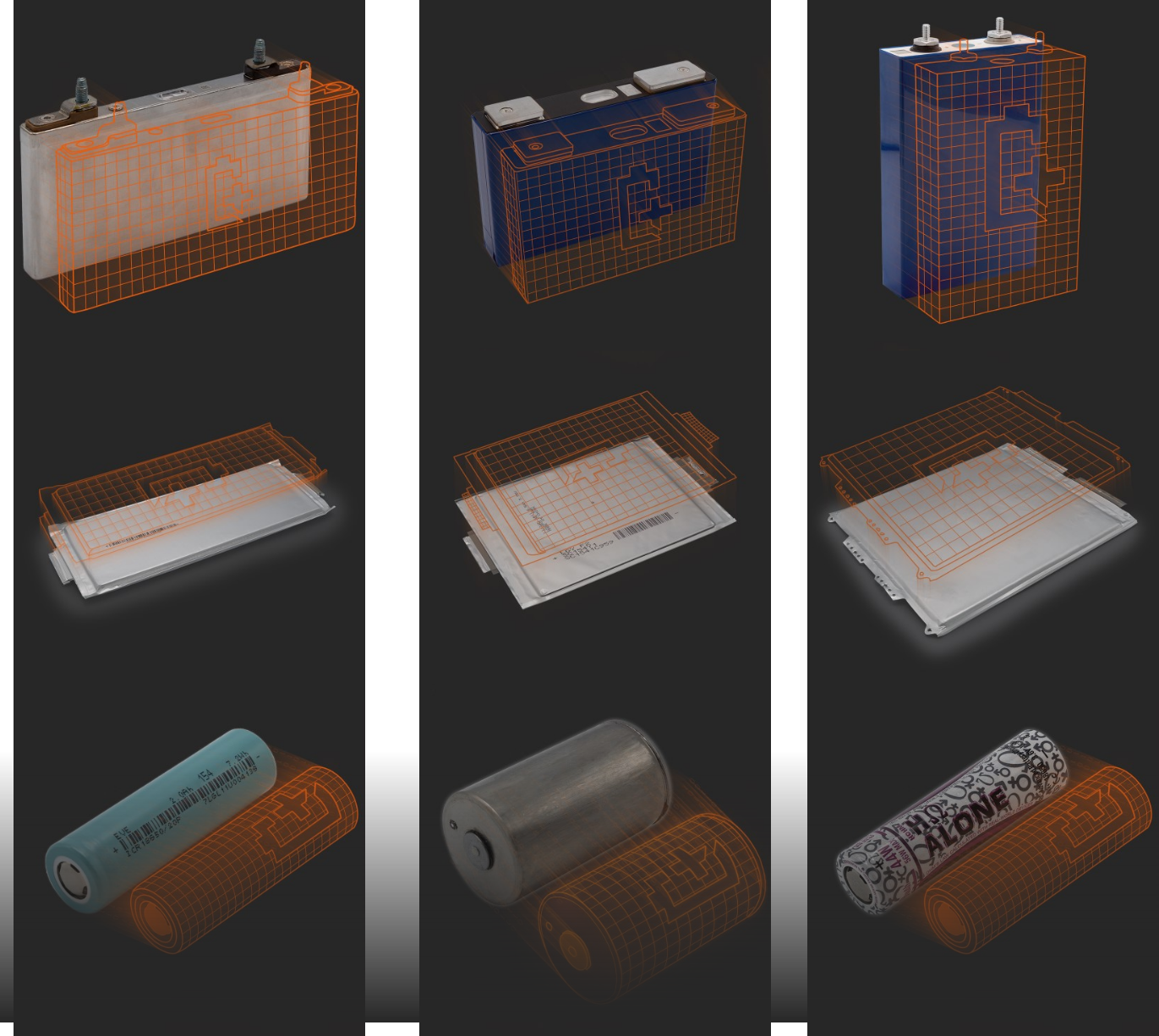
Batemo Cube Models can be derived from any Batemo Cell Model. Just let us know which cell you are interĀ­ested in, and we can create a custom Batemo Cube Model excluĀ­sively for you. 

Batemo Cell Model
Library

Subscribe and get immediate access to many battery cell models. Regular updates with new hot cells are included. Look at the Batemo Cell Explorer to see what is available! 

Custom
Batemo Cell Model

When you have your own cell and you want to keep everyĀ­thing confiĀ­denĀ­tial, we create the Batemo Cell Model excluĀ­sively for you. 

Batemo cube model

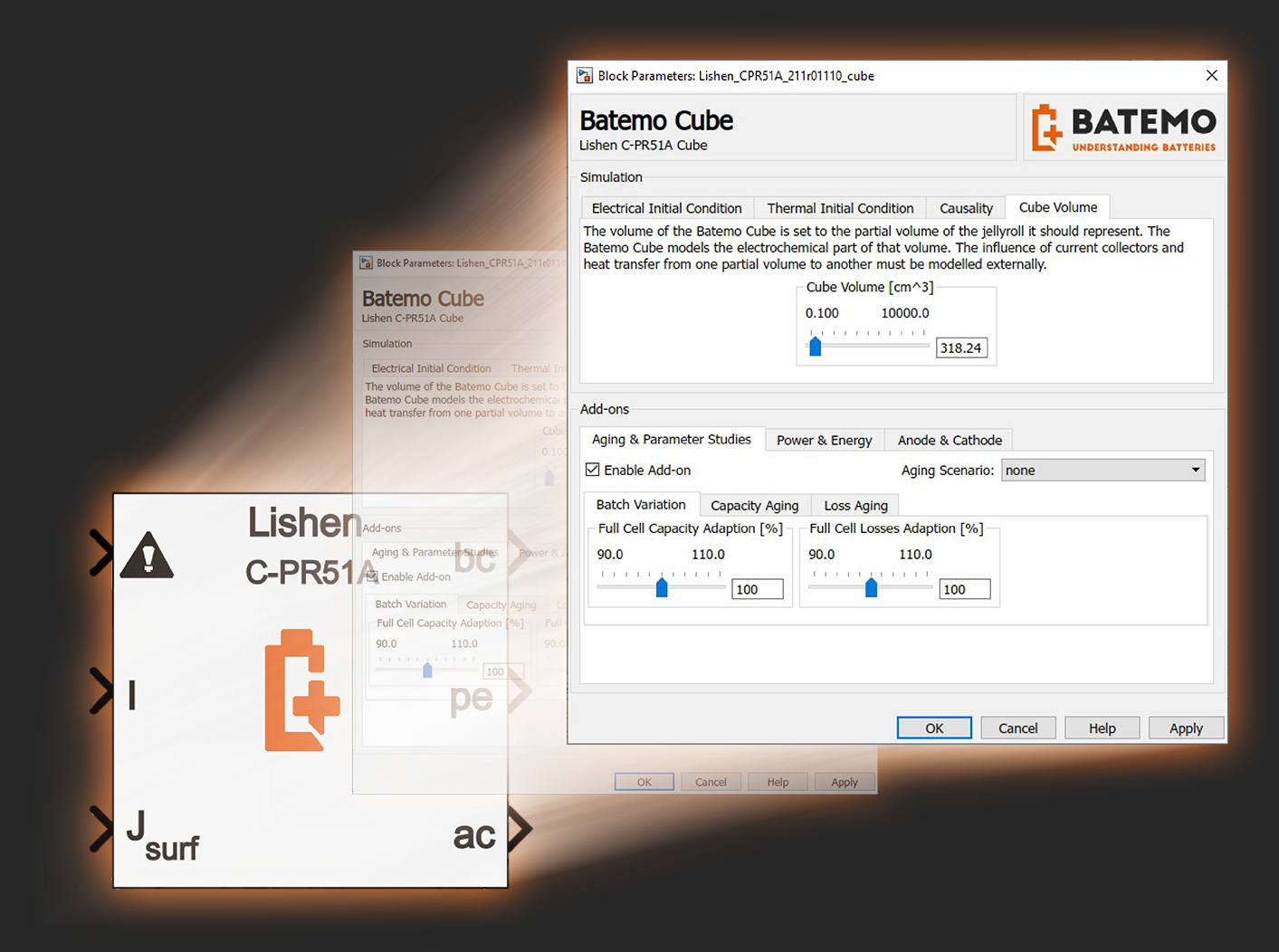
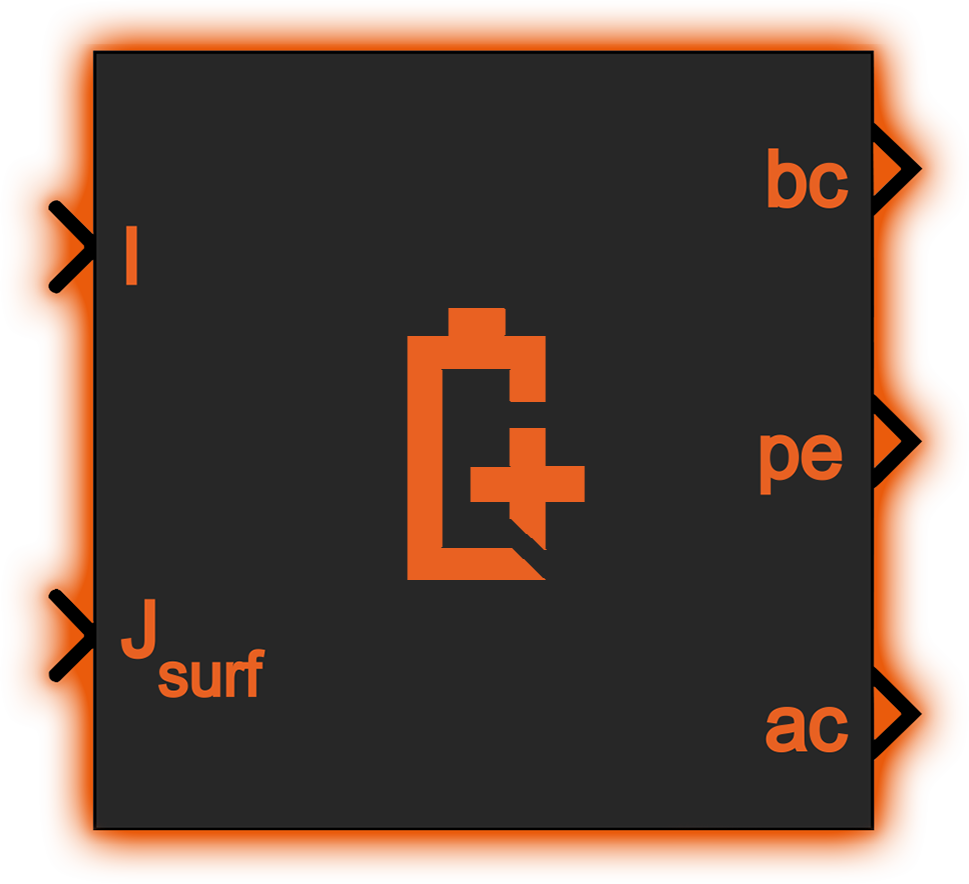
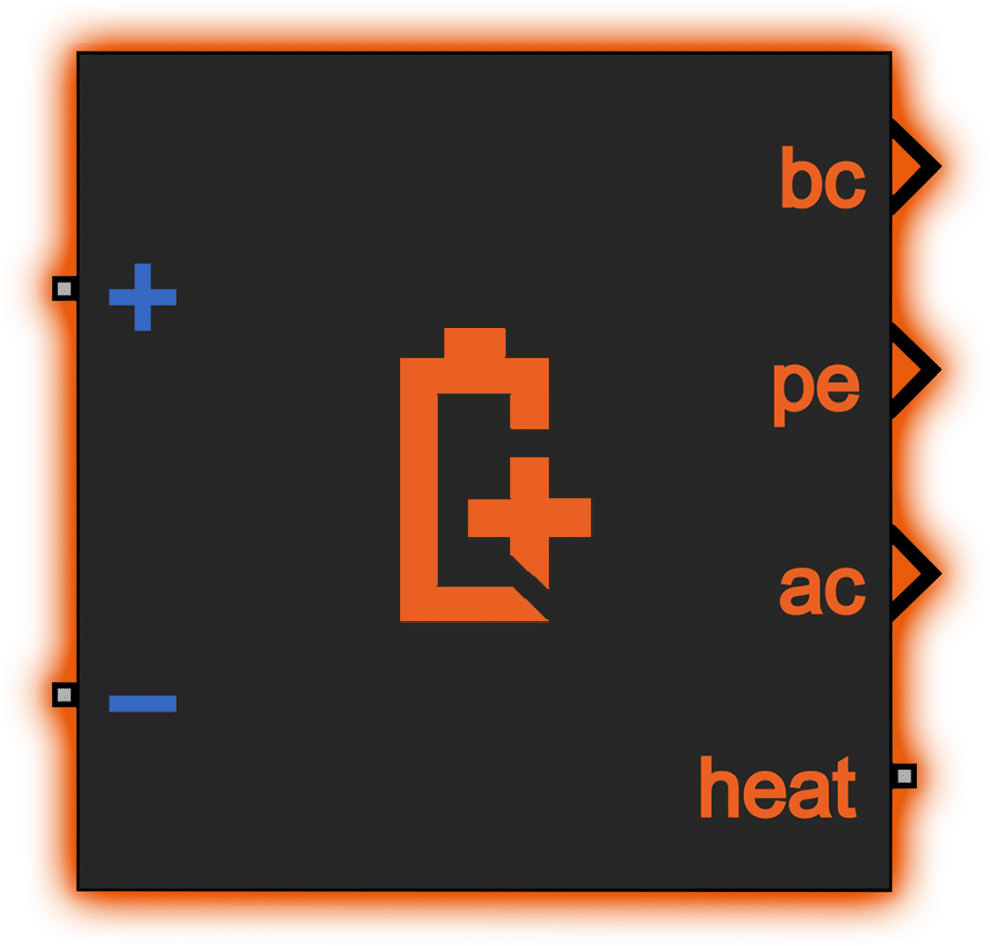
Predicting the internal cell behavior with the Batemo Cube Model is easy. Just like the active volume of a battery cell, the Batemo Cube Model has an electrical and a thermal interĀ­face. The interĀ­face is designed to make integraĀ­tion straight-forward: Setting initial conditions is intuitive using the graphĀ­ical parameter interĀ­face. Once a proper model of the other battery compoĀ­nents is set up you supply the electrical and thermal boundary conditions and are ready to go. This is how you simulate the dynamic perforĀ­mance of your battery cell under all conditions and predict local distriĀ­bĀ­uĀ­tions of your internal cell quantiĀ­ties. EveryĀ­thing you can do with the real cell, you can now do with the Batemo Cube Model in your simulaĀ­tions. This is not only true for data you can measure in the laboraĀ­tory. The Batemo Cube Model calcuĀ­lates additional, highly relevant internal cell quantiĀ­ties: inner temperĀ­aĀ­tures, electroĀ­chemĀ­ical electrode potenĀ­tials or insights about loss generation. 

integraĀ­tion

We integrate the Batemo Cube Models into your simulaĀ­tion environĀ­ment. This makes building on your previous work and technical onboarding super easy. Built-in integraĀ­tion is availĀ­able for MATLAB Simulink, MATLAB Simscape, AVL CRUISE M, AVL Fire M, Elements and Cradle CFD. AdditionĀ­ally, Batemo Cube Model FMUs allow integraĀ­tion into all common simulaĀ­tion tools.
To give you a smooth onboarding, we schedule regular calls with Batemo Support to get started. We supply a ready to use model that you can modify according to your needs, and you get permaĀ­nent access to the Batemo video tutorials that introĀ­duce all features and show best-practice examples. To get you started, another option is to let Batemo Engineering do your modeling and simulaĀ­tion work in an initial project. We deliver all models, scripts and data so that you can take over from there. 

AdvanĀ­tages

You use the Batemo Cube Models to make your battery development simulaĀ­tion-based, making it faster, lower cost while leading to better products. This is how we generate value and contribute to your success. 
batemo_Folienmaster_Icon_orange_06

Better

Using Batemo Cube Models you extend the underĀ­standing of your cell by taking a look inside. You identify spatially resolved effects and derive optimal design solutions in the complex, nonlinear battery design space from it. You develop and improve your key features and differĀ­enĀ­tiate from competitors. 
batemo_Folienmaster_Icon_orange_02

Faster

With Batemo Cube Models resolving quantiĀ­ties inside your cell takes a fraction of the time compared to convenĀ­tional multiĀ­diĀ­menĀ­sional simulaĀ­tion methods. Identify critical local effects and improve internal and external cell features without lengthy measureĀ­ments.
batemo_Folienmaster_Icon_orange_34

Lower cost

Batemo Cube Models reduces cost of your battery development. You increase your efficiency by saving expenses on protoĀ­typing, avoid performing extenĀ­sive lab measureĀ­ments, and decreasing your engineering development time. 

InterĀ­ested?

Let’s start exploring!