The Story
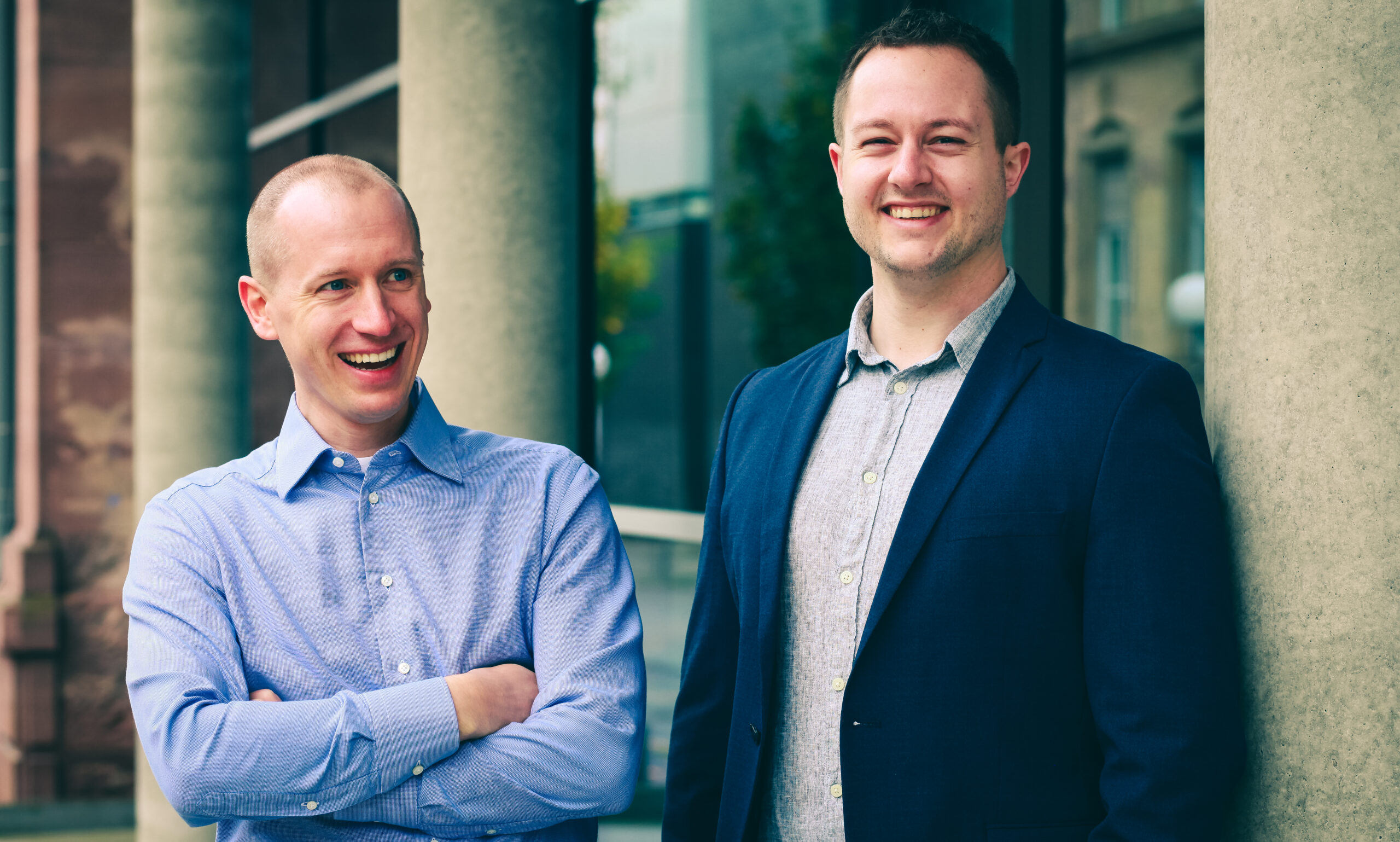
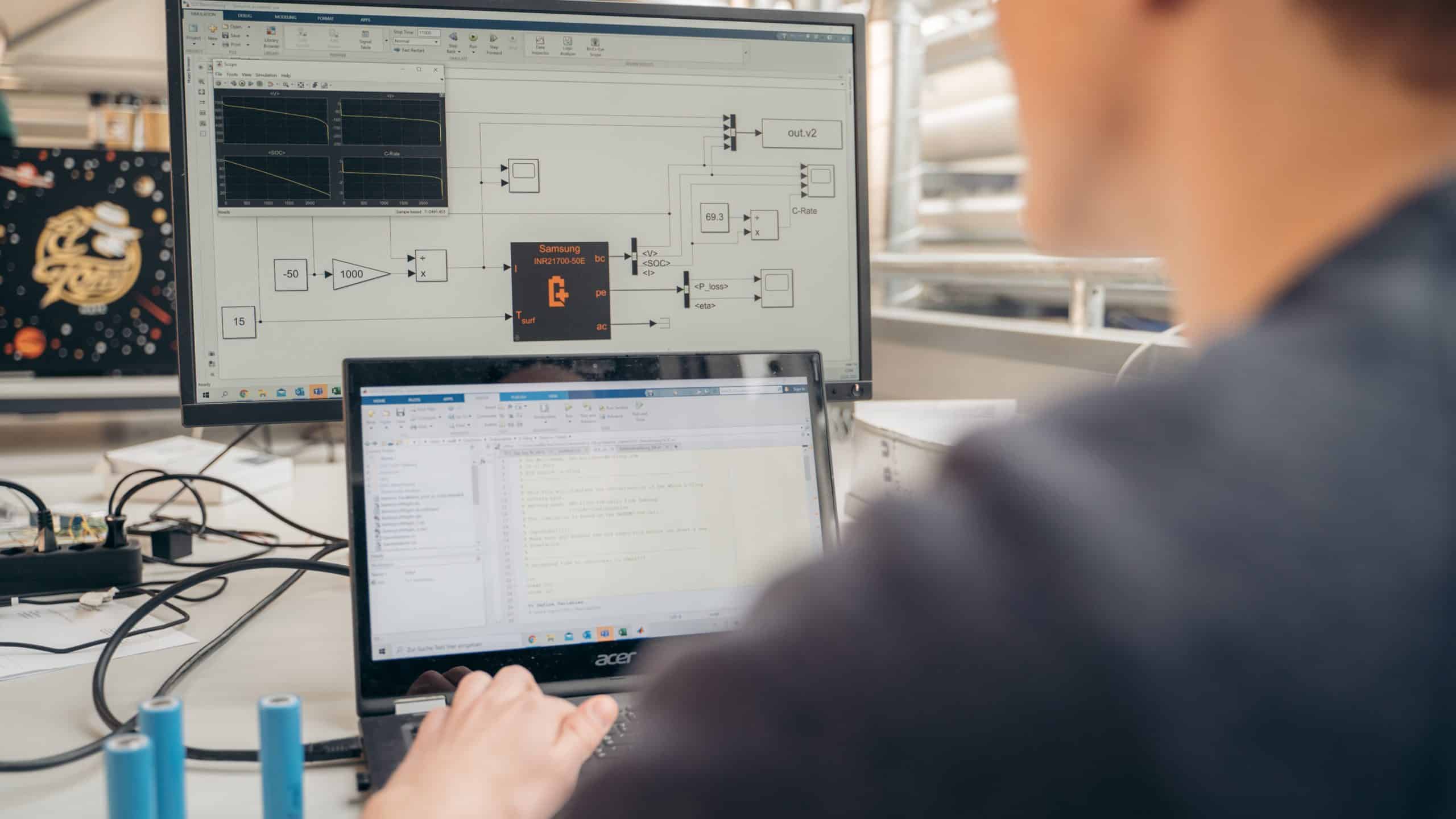
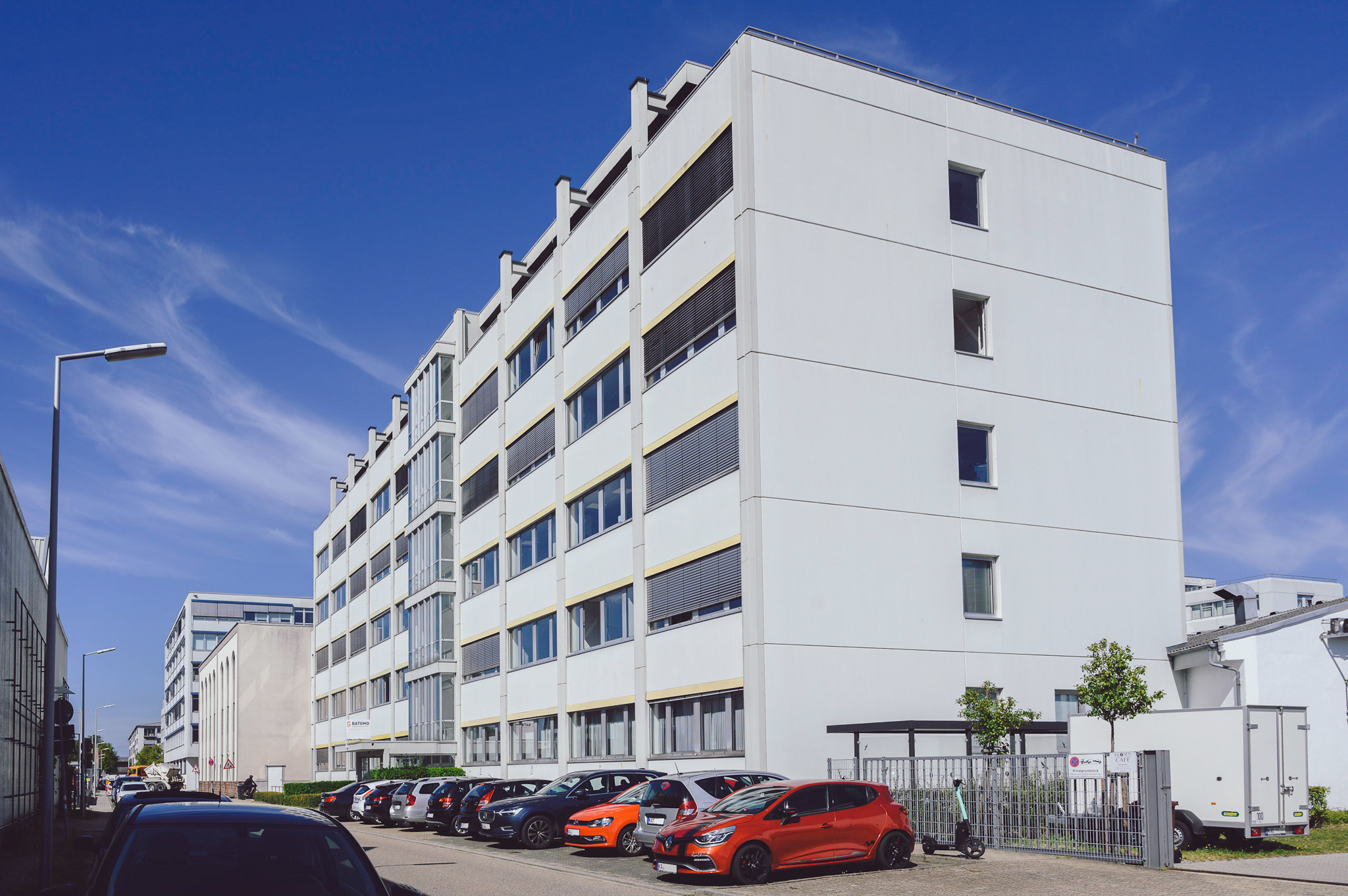
The Batemo story began in March 2017 when Dr.-Ing. Michael Schönleber and Dr.-Ing. Jan Richter founded the company in Karlsruhe, Germany. After a year-long product development, the Batemo Cells software was introduced to the market in March 2018. Since then, Batemo is cash-flow positive.
Our customers come from various markets: We work with companies from different industries such as power tools, light mobility, automotive, aerospace, industrial and cell manufacturing sectors.
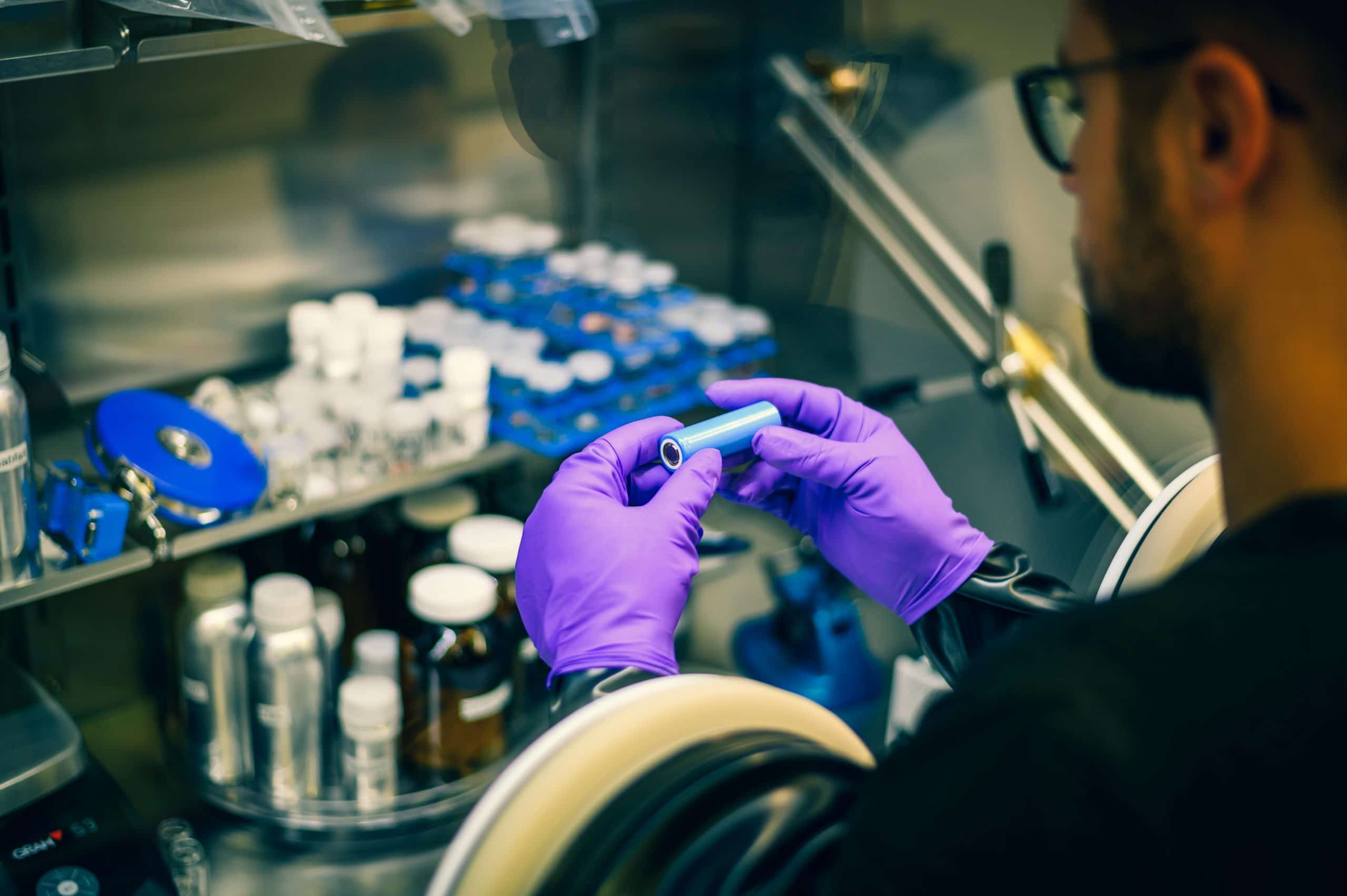
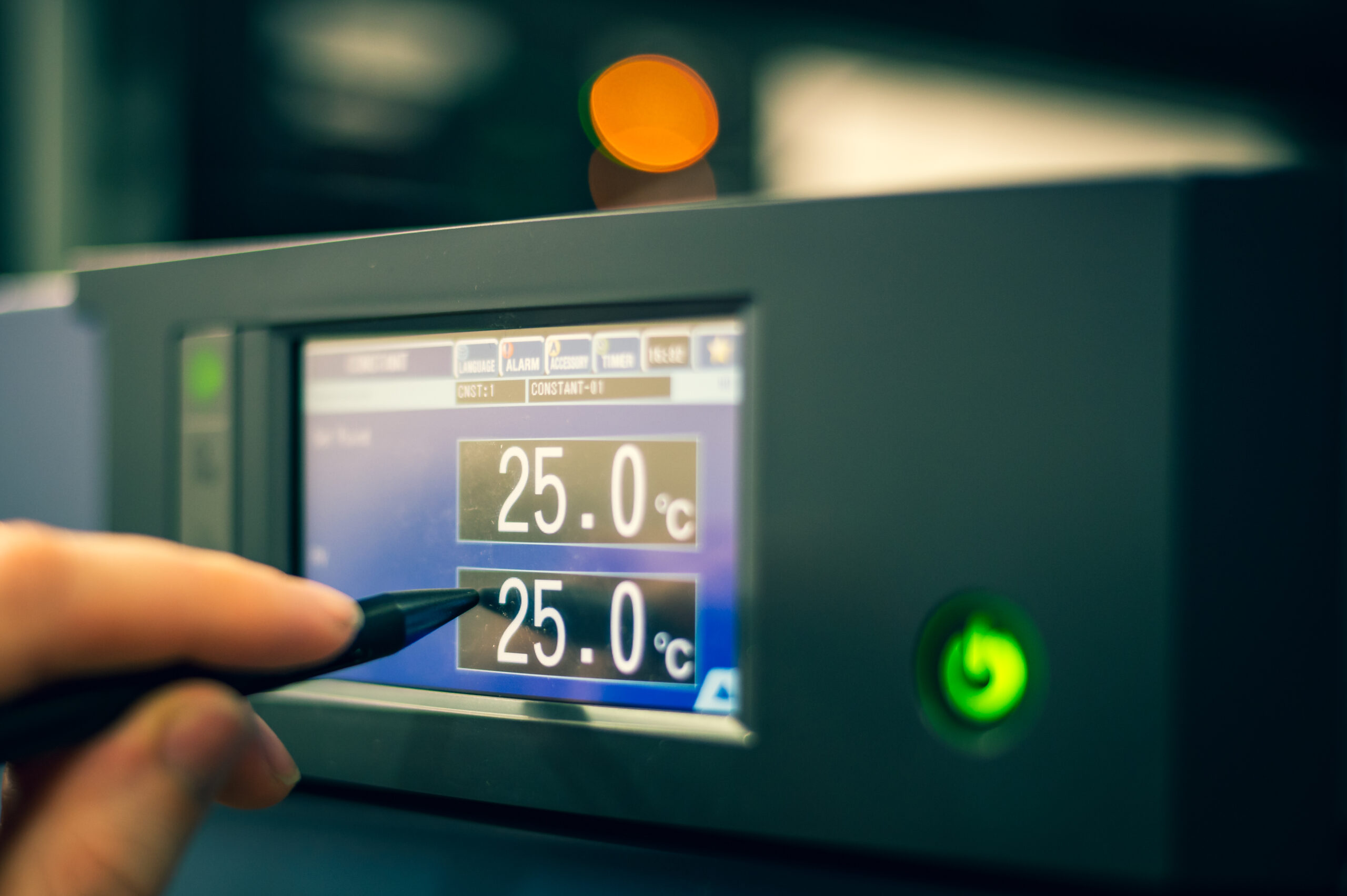
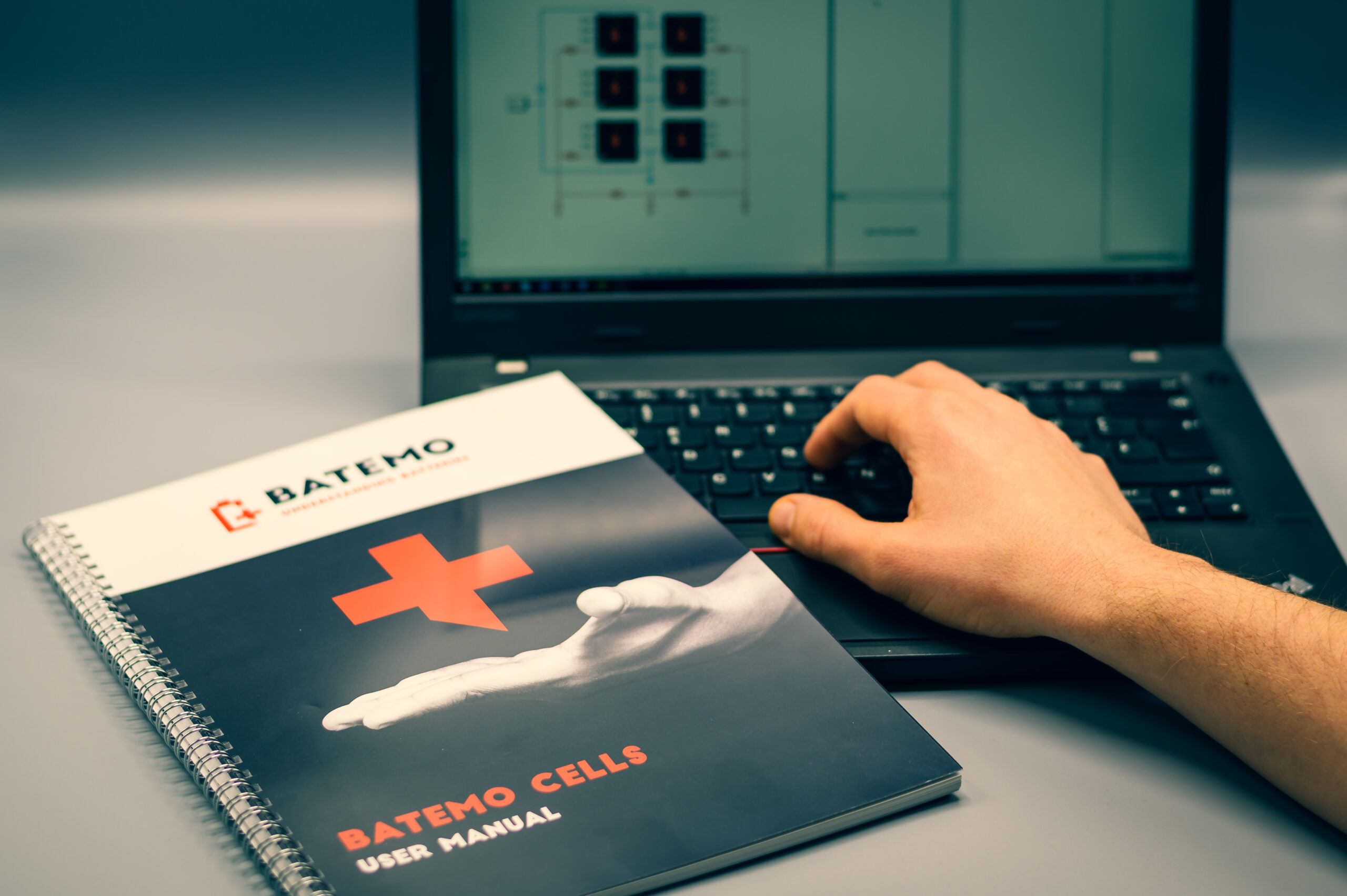
Until today, Batemo is 100% independent and completely customer-funded.
Sponsorships
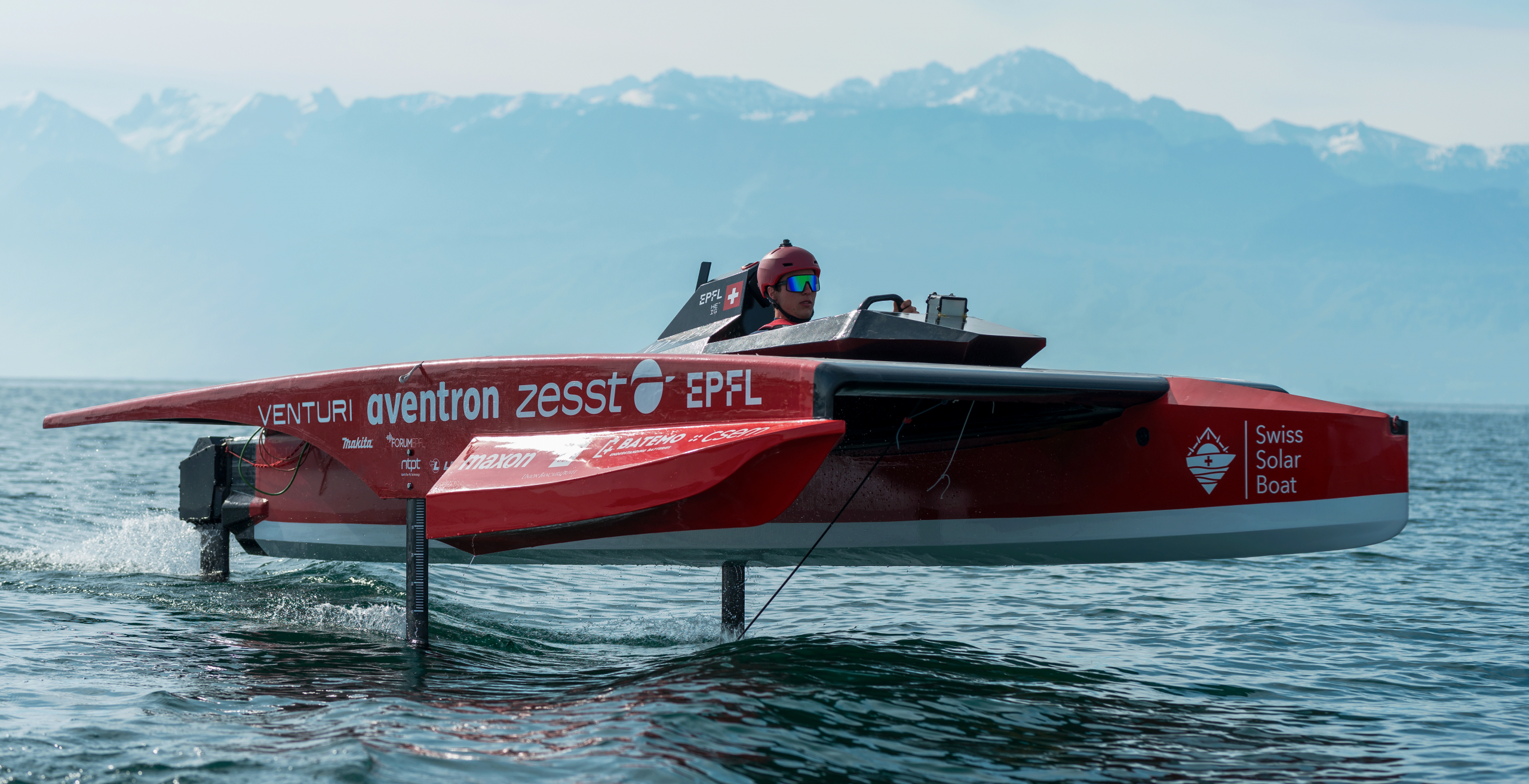
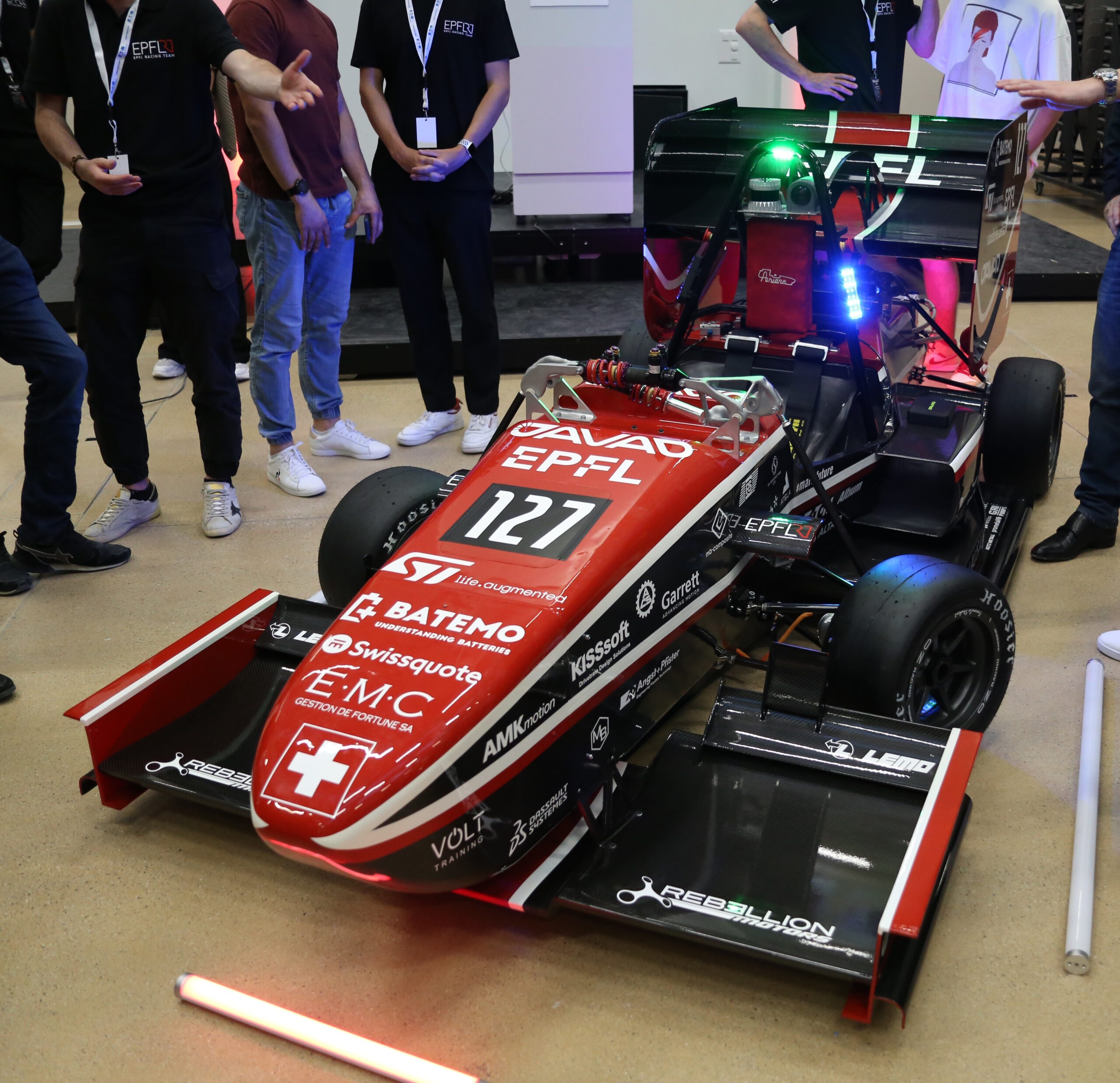
- EPFL Racing Team
- ePowered Racing
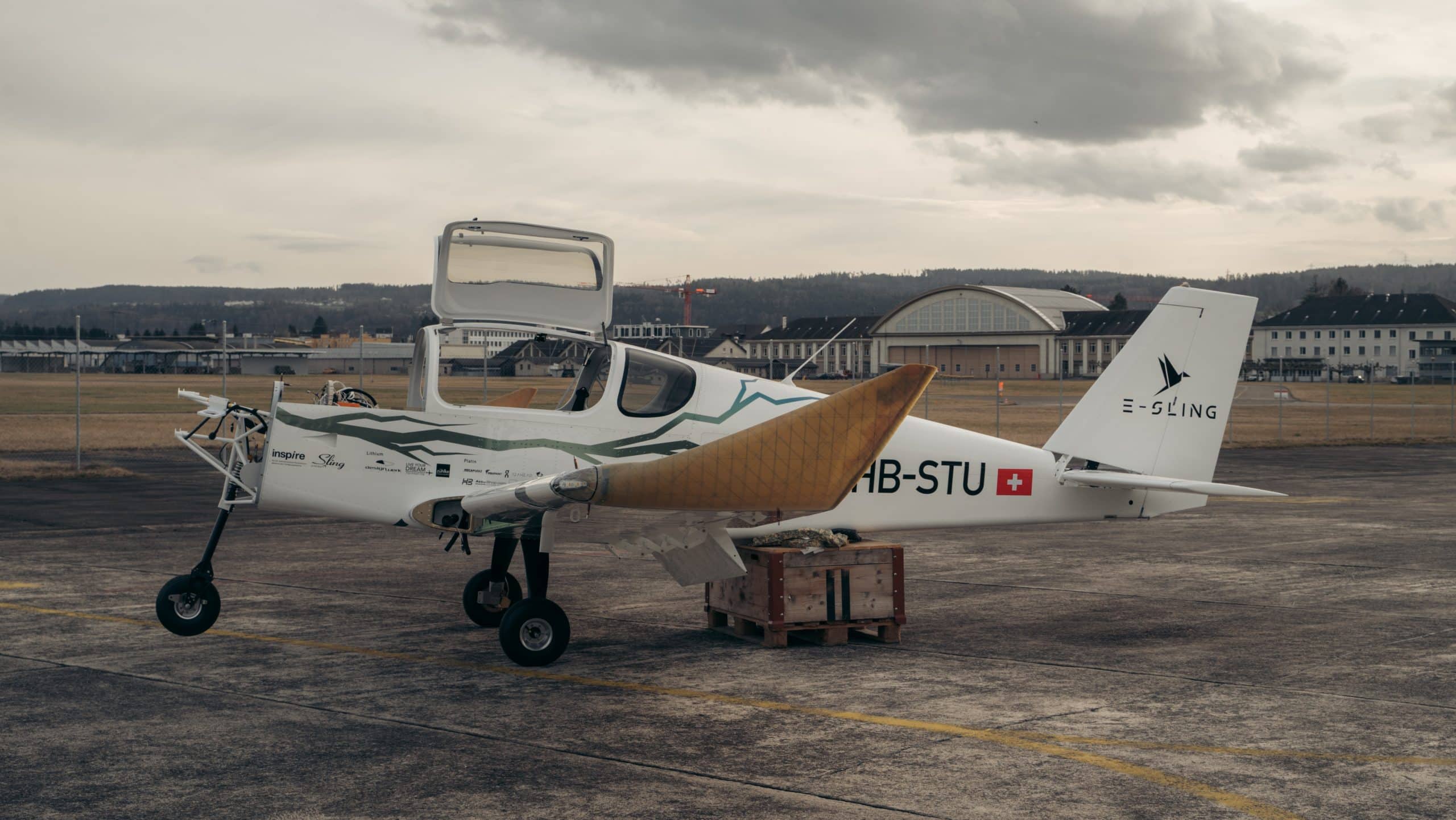
- e-sling von Cellsius
- E-Tech Racing
- FSIP Leiria
- KOU Formula
- Mainfranken Racing e.V.
- Ontario Tech Racing
- Pegasus Racing
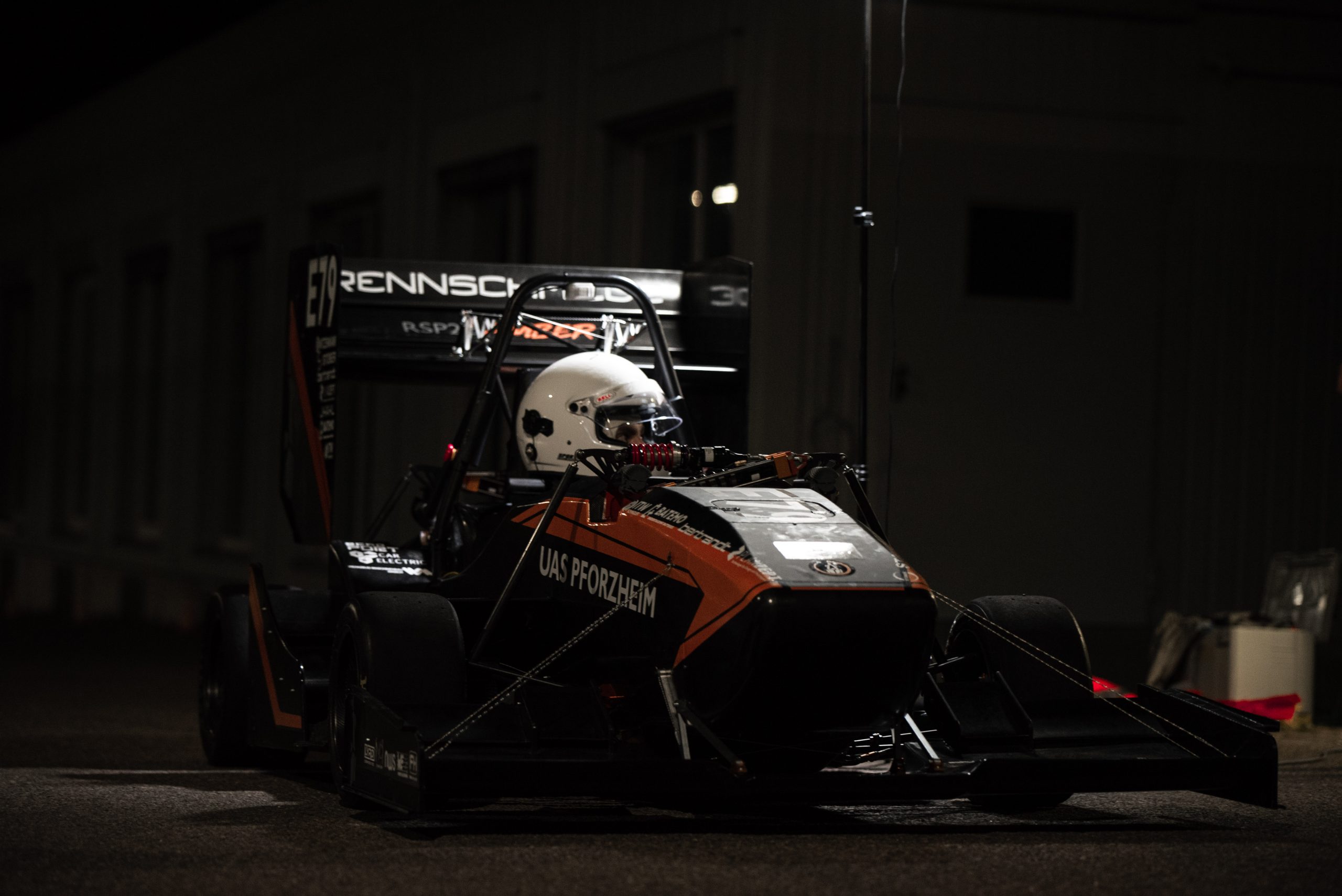
- Rennschmiede Pforzheim
- Rutgers Formula Racing
- TLMoto
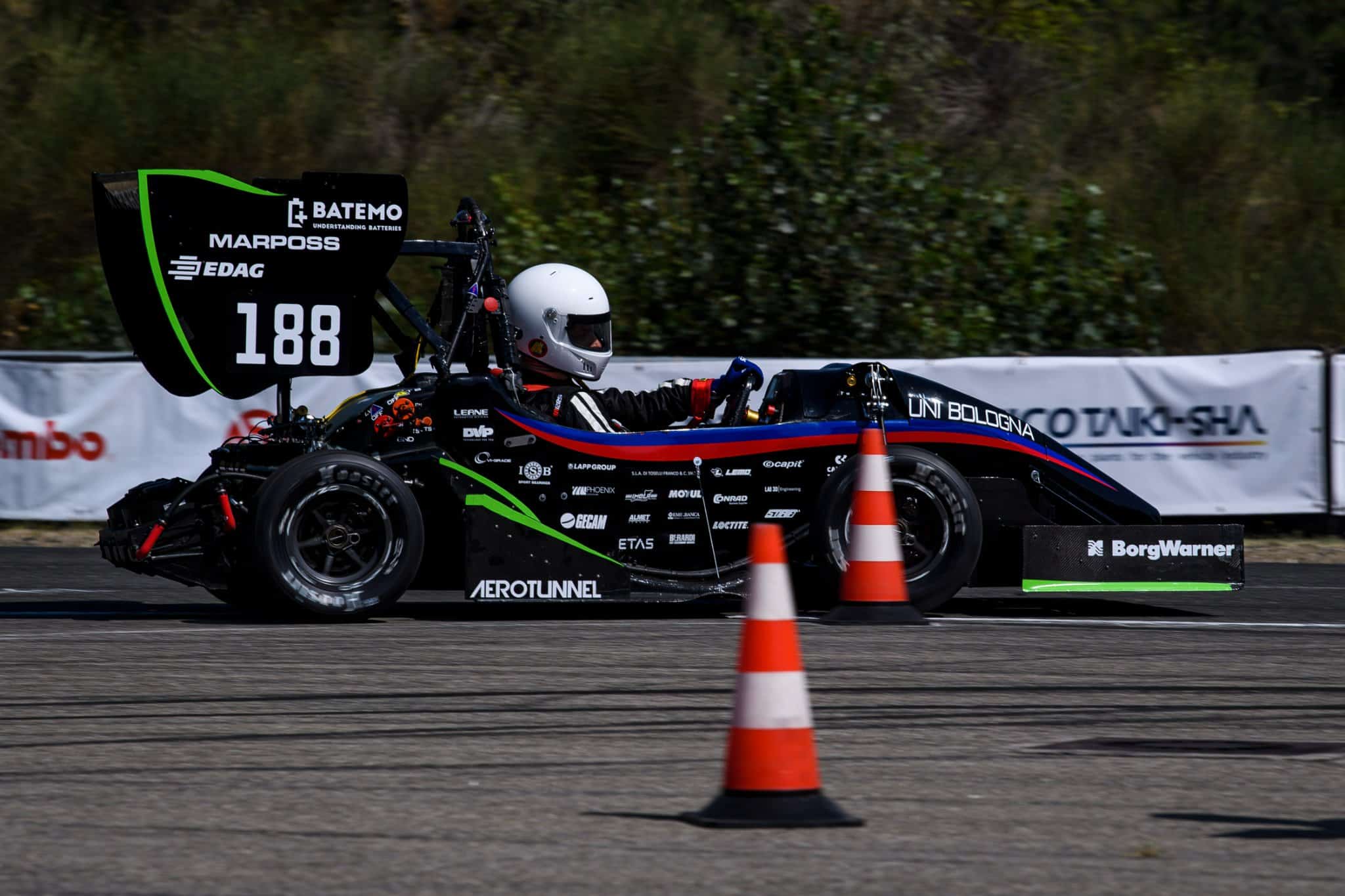
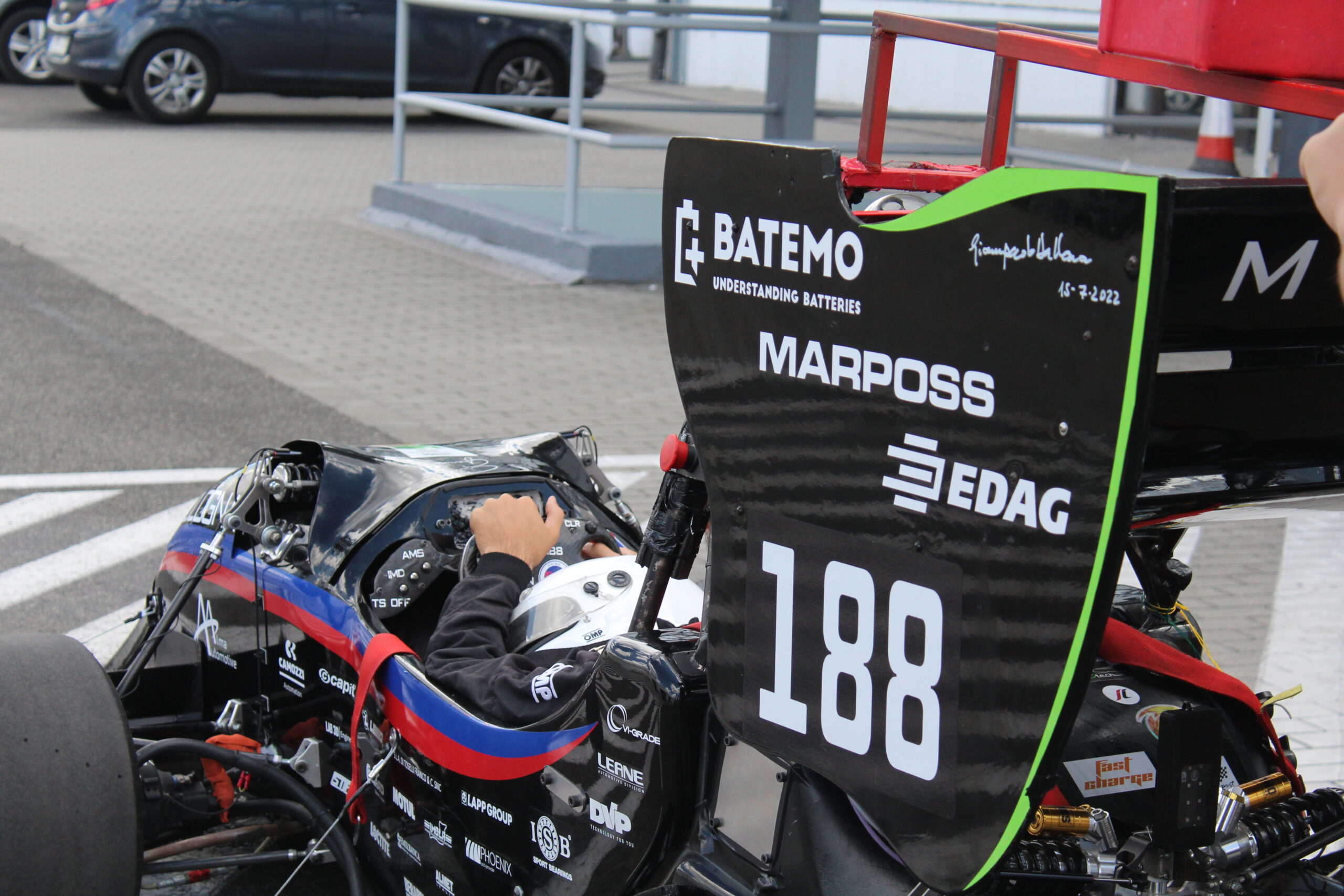
- UniBo Motorsport
- Heriot Watt University Racing
- Sapienza Corse
- Mart FS
- Dynamics UPC Manresa
- UWE Formula Student
- Purdue Electric Racing
- Team Defianz Racing - DTUSDC
- University of Toronto Formula Racing
- Pittsburgh Electric Propulsion
- Cal Poly Racing
- UVic Formula Racing
The Founders
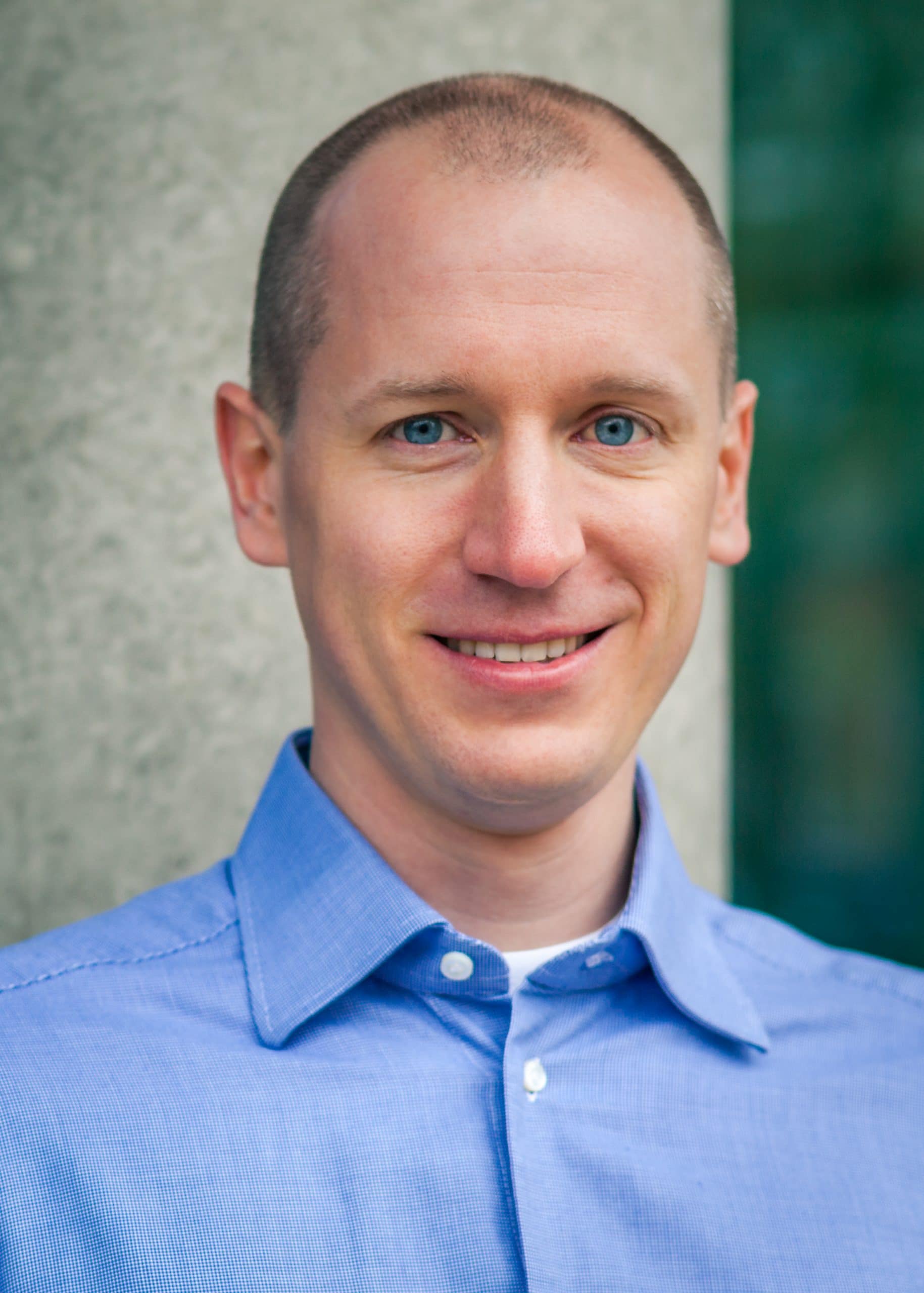
Dr.-Ing.
Jan
Richter
CEO
Dr.-Ing. Jan Richter studied electrical engineering and information technology at the Karlsruhe Institute of Technology (KIT). He focused on electric mobility and the fields of electrochemical energy storage, power electronics, and electrical machines. During his studies, he spent half a year working for the Dalian Institute of Chemical Physics in China and for Mercedes-Benz Research & Development North America in the USA. Afterwards, he completed his doctorate on modelling, parameter identification and control of highly-utilized synchronous machines at the Institute of Electrical Engineering (ETI) at KIT, graduating summa cum laude. For his research he received the PCIM Young Engineer Award. As part of his activities, he developed a model-based development tool for power electronics and electrical machines for a Tier‑1 automotive supplier. During his undergraduate and graduate studies, he received a scholarship from the Studienstiftung des deutschen Volkes.
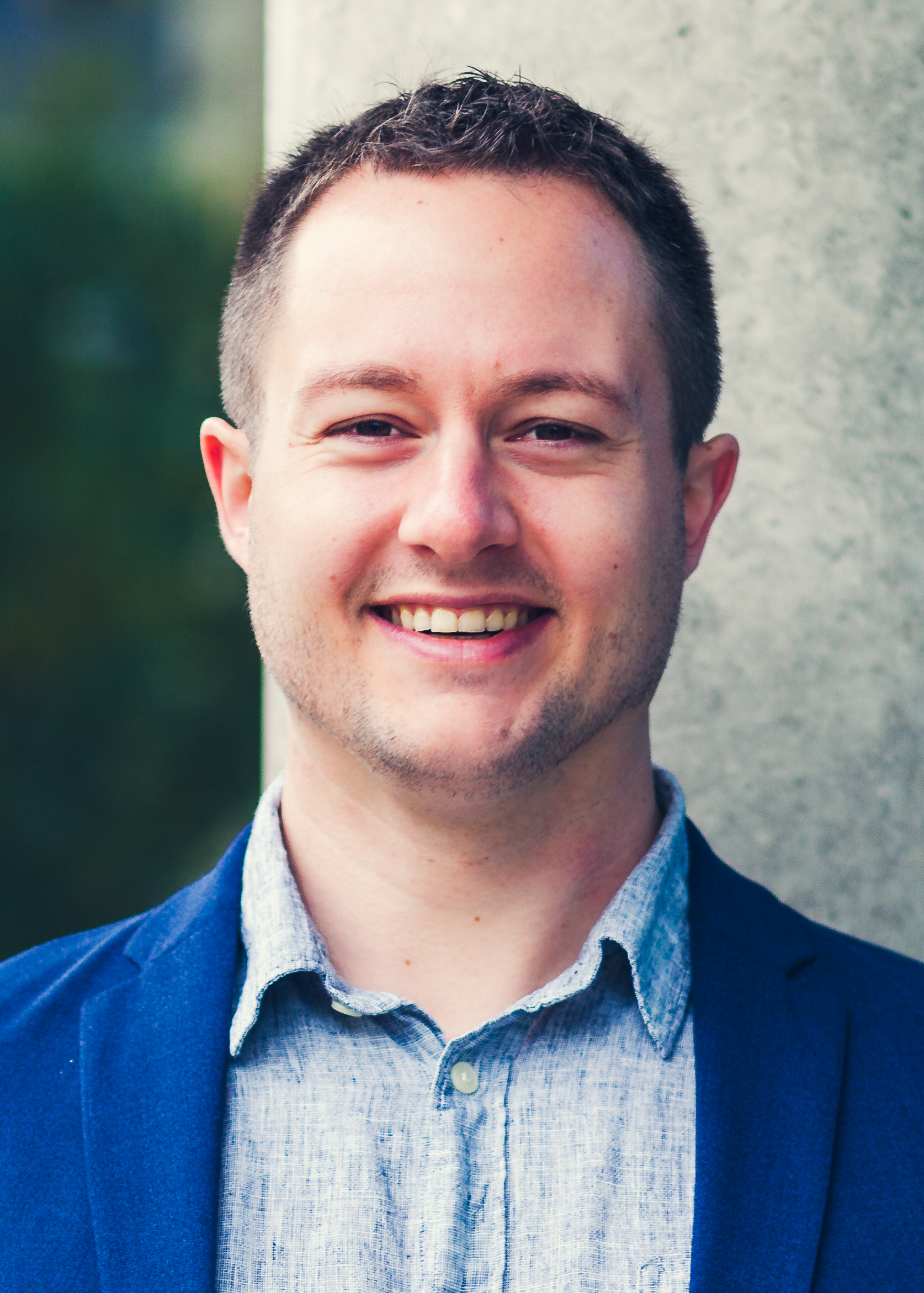
Dr.-Ing.
Michael
Schönleber
Cto
Dr.-Ing. Michael Schönleber studied electrical engineering and information technology at the Karlsruhe Institute of Technology (KIT). He specialized in electrochemistry and system theory, with a focus on lithium-ion-batteries. At the end of his studies, he worked for Robert Bosch LLC in the USA, where he developed algorithms for combined parameter and state estimation in modern battery management systems. He was awarded the Continental Auto-Motivated Award and recognized the Siemens Energy Award as top student of his year.
After that he completed his doctorate graduating summa cum laude at the Institute for Materials in Electrical Engineering (IAM-WET) at KIT. As part of an industry project with an automotive manufacturer, he researched the low frequency behavior of NMC cathodes and aging of lithium-ion-batteries. For his doctoral thesis, he received the Carl Freudenberg Prize.